
Kitchen wisdom
What grandmothers knew
Traditional techniques like slow-cooked beans, preserving the harvest and using every part of the vegetable often line up with what nutrition science tells us today. Here are the lessons passed down through Mediterranean grandmothers' kitchens, and how I use them now.
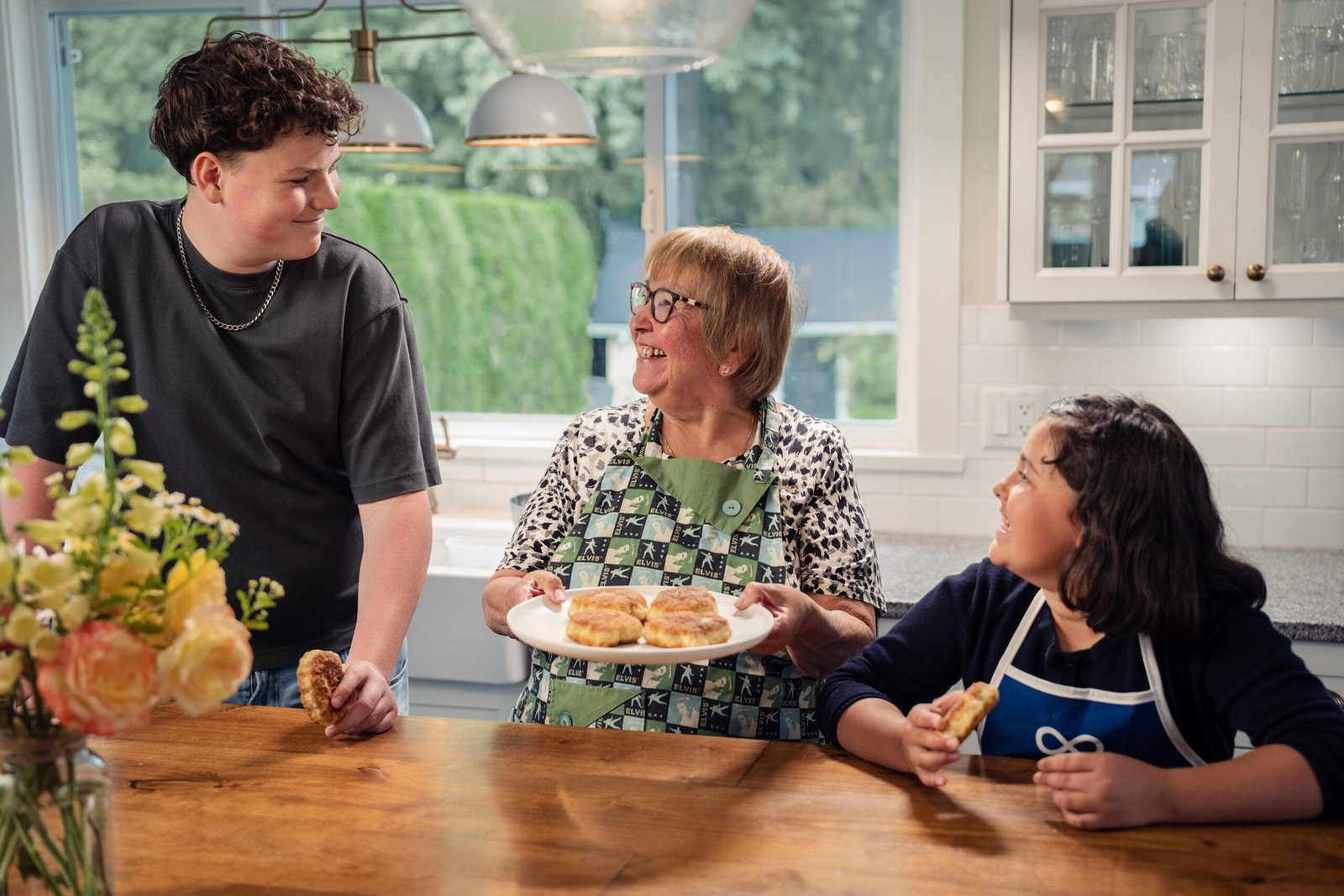
Grandmothers' techniques
Old habits that still make sense
Each technique comes with how it was done, how I do it today, and recipes where you can try it.
Alliums first
- The habit
- Mince the garlic and dice the onion before anything else, then let them rest on the board while you chop the rest.
- Try it in
- Moroccan-Spiced Red Lentil Soup
Slow-cooked beans
- The habit
- Soak dried beans overnight, then let them simmer low and slow with olive oil, garlic and a bay leaf until creamy.
- Why it still works
- Beans cooked from dry cost little, keep for days and make a meal of soups, stews and salads all week.
Preserving the harvest
- The habit
- Summer vegetables were salted, pickled or packed in oil so the harvest could feed the family through winter.
- Learn more
- Fermentation, step by step
Using every part of the vegetable
- The habit
- Stems, leaves and peels were never wasted. They went into broths, soups and fritters.
- Try it
- Keep a bag in the freezer for vegetable scraps, then simmer them into a simple broth.
Homemade ghee
- The habit
- Melt butter slowly over low heat until the milk solids turn golden and sink, then strain off the clear, nutty ghee into a clean jar.
- How I do it now
- I still make my own ghee, using my grandmother’s recipe.
- Why ghee over butter
- No burning: it can heat to about 485°F (250°C) before it smokes. Butter burns at about 350°F (175°C).
- Gentler for many: the milk solids are removed, so it has almost no lactose or casein.
- Keeps longer: it lasts for weeks in a cool, dark cupboard, no fridge needed.
- More flavor: its rich, nutty taste means a little goes a long way.
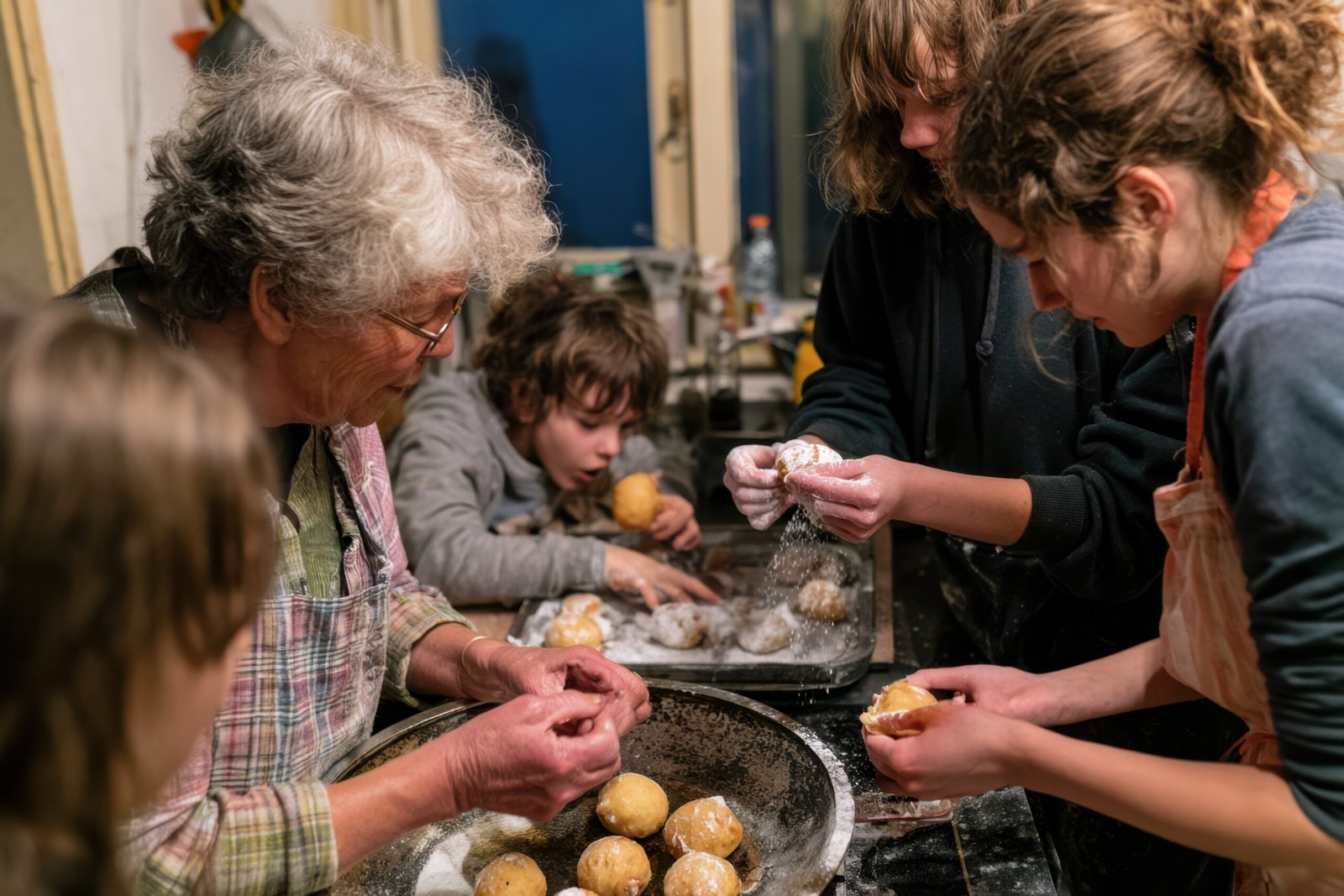
Family recipes & stories
Recipes that come with a story
Some recipes were never written down. They were cooked side by side and passed on by watching. I'm collecting them here, each with the story of where it comes from and who made it.
Browse traditional recipesMediterranean pantry basics
What I always keep on hand
With a few staples in the cupboard, a simple, nourishing meal is never far away. This is the pantry most of my recipes are built on.
- Extra virgin olive oilFor cooking, dressing and finishing
- Dried and canned legumesLentils, chickpeas, white beans
- Whole grainsBulgur, farro, brown rice, oats
- Canned tomatoes and tomato pasteThe base for soups and stews
- Garlic and onionsWhere almost every dish begins
- LemonsBrightness for soups, salads and fish
- Dried spicesCumin, coriander, turmeric, cinnamon, smoked paprika
- Nuts and seedsWalnuts, almonds, sesame, tahini
- Fresh herbsParsley, cilantro, mint, dill, from the garden when I can
Share your family's kitchen wisdom
Did your grandmother have a saying, a trick or a recipe she never wrote down? I'd love to hear it.
Tell me your storyThis is cooking and nutrition education, not medical advice. Please talk with your own healthcare provider about your health needs.