Grow & ferment
From garden to jar
Grow a few herbs and greens, turn the harvest into tangy ferments, and sprout seeds on your counter. Small, old-fashioned skills that bring living food into your kitchen.
The backyard garden
Start small, eat what you grow
You don't need a big yard. A sunny patio, a few pots or one raised bed is enough for the plants I use most.
- HerbsParsley, mint, basil, oregano and rosemary grow well in pots and finish almost every Mediterranean dish.
- Leafy greensChard, kale and lettuce can be picked leaf by leaf for weeks.
- Tomatoes & peppersSummer favorites for salads, sauces and ferments. They need plenty of sun.
- Zucchini & beansEasy, generous plants. A couple of each feeds a family.
Fermentation guides
Your first jar of fermented vegetables
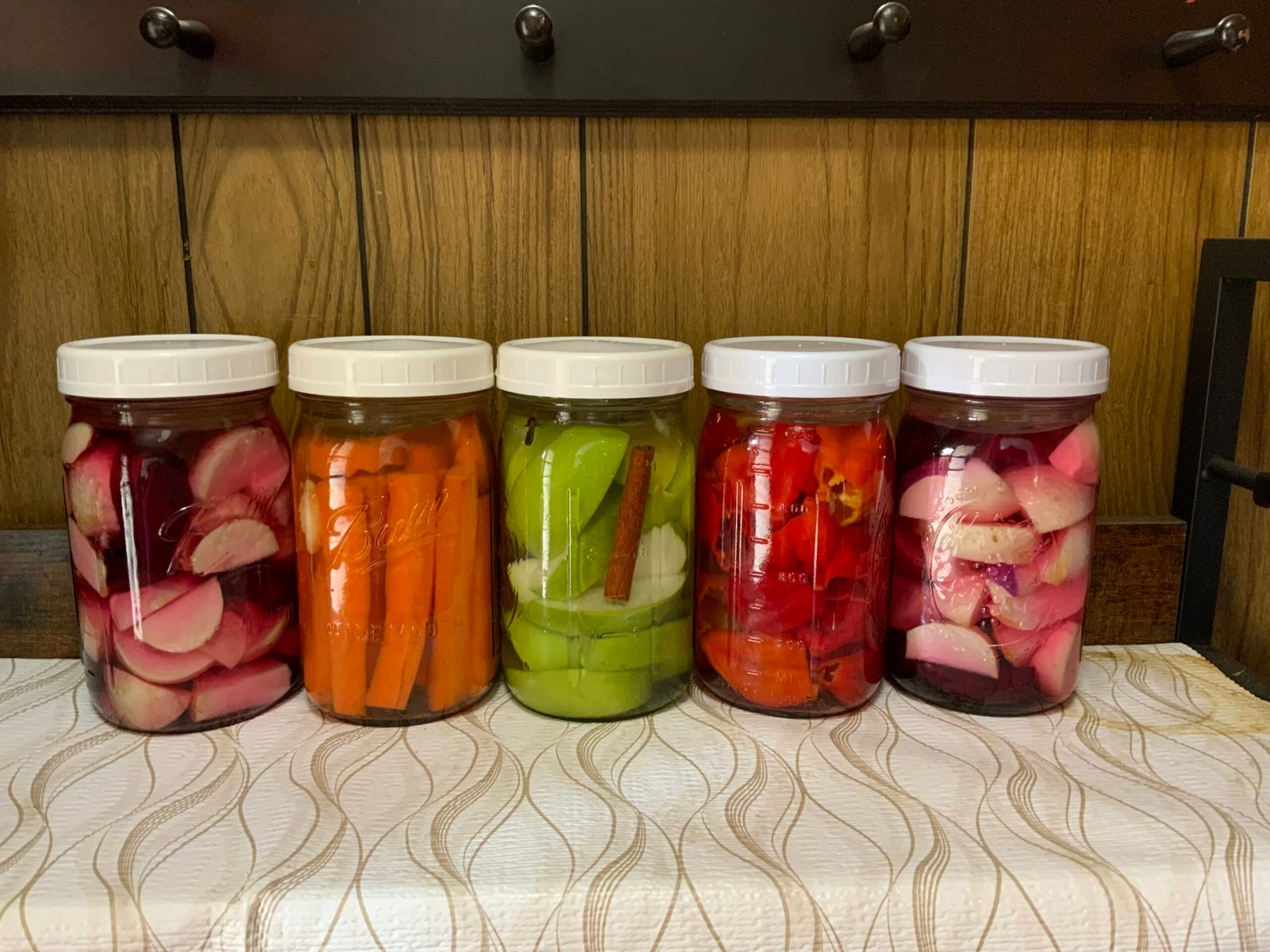
Fermenting is one of the oldest ways to keep vegetables. All you need is vegetables, salt, water and a clean jar. It's how I keep the harvest from my own backyard.
- 1Prepare. Cut firm vegetables like carrots, cabbage, cauliflower or green beans and pack them into a clean jar with garlic or dill.
- 2Make a brine. Dissolve about 1 tablespoon of sea salt in 2 cups (500 ml) of water and pour it over until everything is covered.
- 3Keep it under. Use a small weight so the vegetables stay below the brine, and cover the jar loosely.
- 4Wait and taste. Leave at room temperature for 5 to 10 days, tasting from day 4. When you like the tang, move it to the fridge.
Keep it safe
- Bubbles, a cloudy brine and a sour smell are normal.
- Fuzzy mold, a slimy texture or a bad smell mean it's time to throw it out.
- Always use clean hands, jars and tools.
- When in doubt, throw it out.
Sprouting guides
Sprouting lentils in a jar
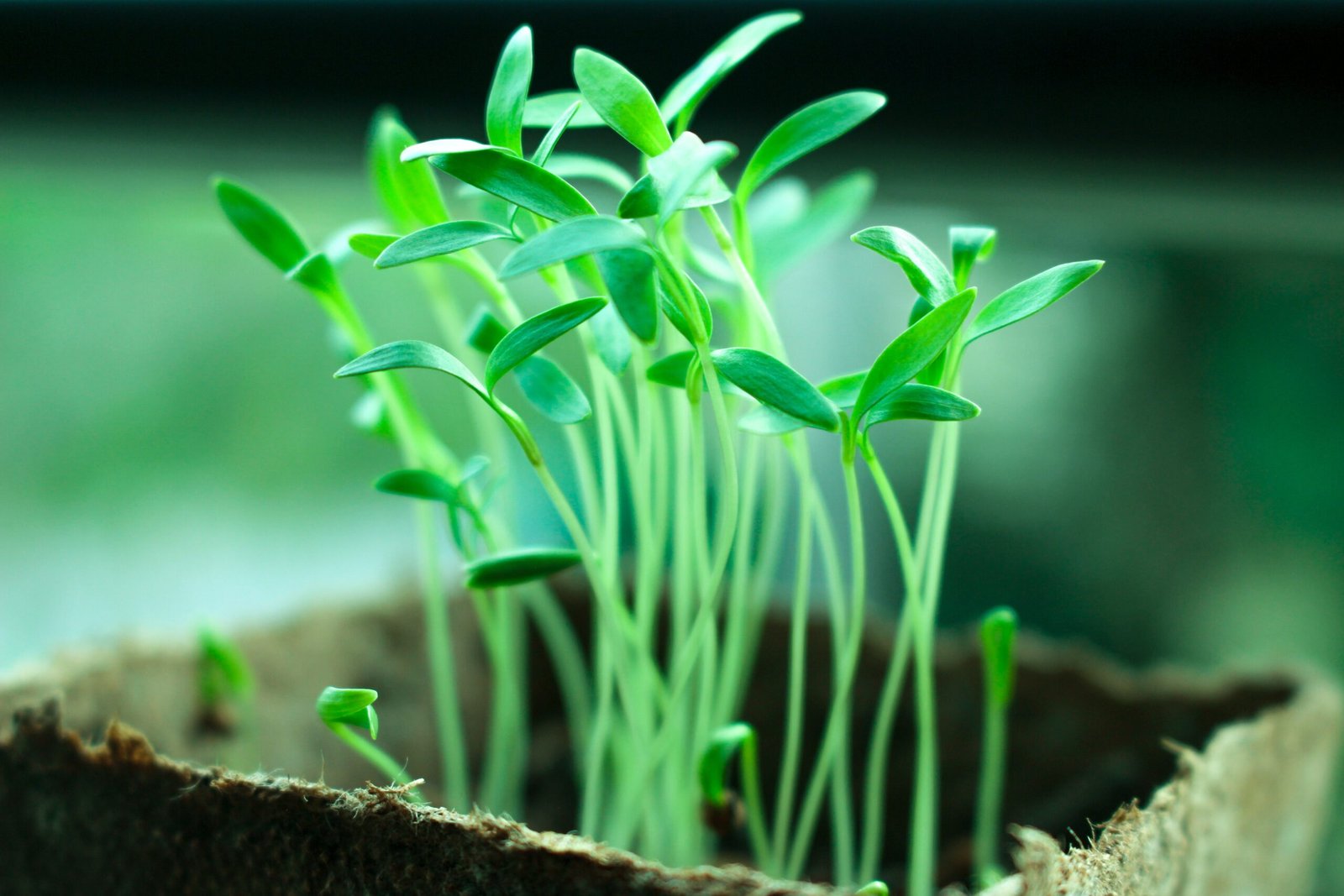
Lentils are the easiest place to start. In two or three days you'll have fresh sprouts for salads, soups and grain bowls.
- Soak a few tablespoons of lentils in cool water overnight.
- Drain them and leave the jar tipped upside down, covered with mesh or cheesecloth.
- Rinse and drain two or three times a day.
- Eat when the tails are about a quarter inch long, then keep them in the fridge for a few days.
How I serve them
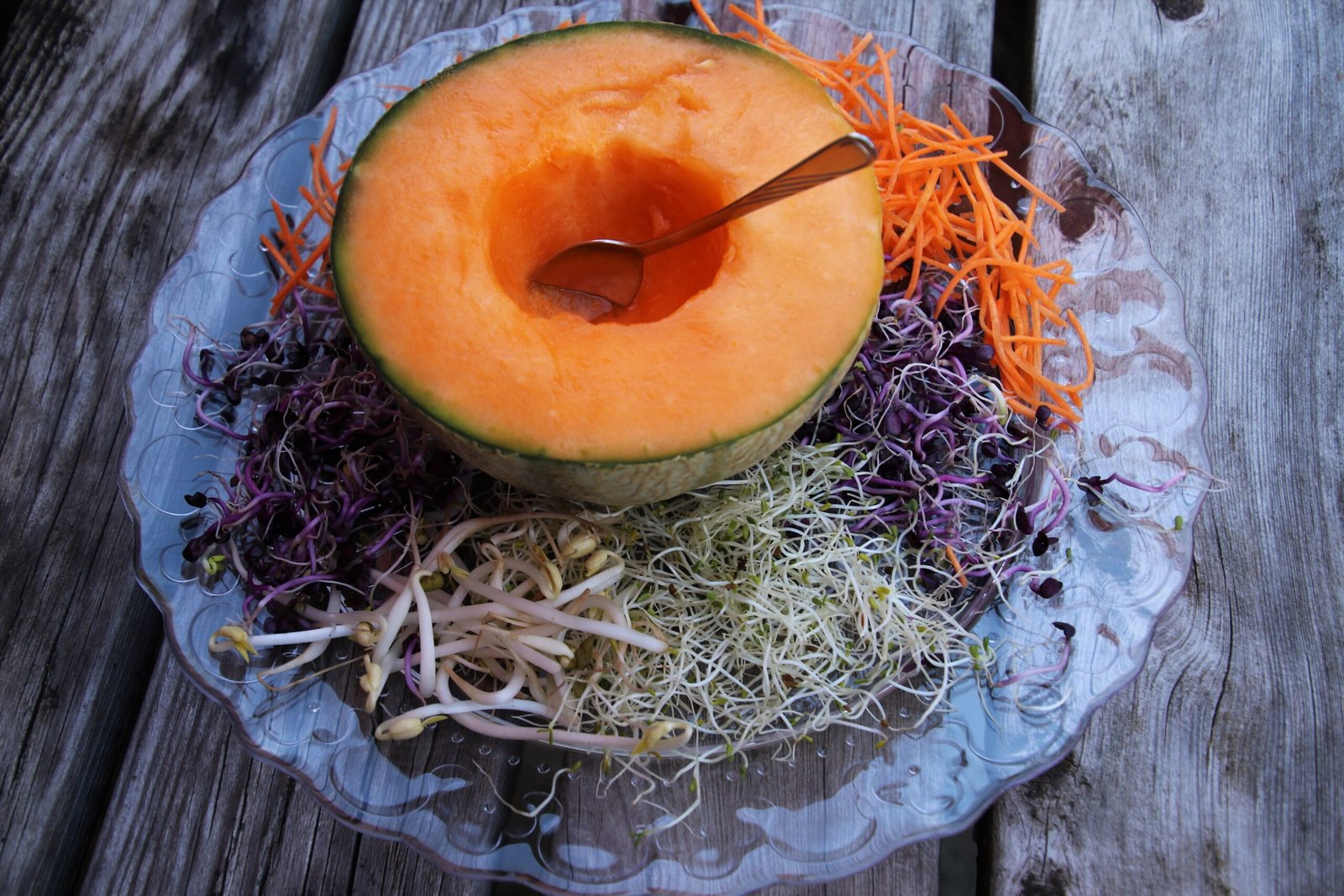
A plate as fresh as it is colorful
A mix of sprouts around sweet melon and shredded carrot makes a simple, beautiful starter. Sprouts also add crunch to salads, sandwiches and grain bowls, or stir them into soup at the end.
Planting calendar coming soon
What to plant, sprout and ferment each season. Meanwhile, see the old habits behind these skills.
This is cooking and food education, not medical advice. Please talk with your healthcare provider about your own health needs.